
Take the Quiz: How are you sleeping?
Posted by Cheryl Cryer on Jul 26th 2023
How Are You Sleeping? A Simple Check-In for Better Rest
Sleep is one of those things we tend to notice most when it is not going well.
A restless night can spill into the next day through lower energy, shorter patience, difficulty concentrating, changes in mood, and that general feeling of being a little less resilient.
And when poor sleep becomes a pattern, it is easy to start throwing solutions at it without first asking a simpler question:
What is actually getting in the way of my rest?
At Urban Apothecary, sleep has always been one of the places we encourage people to start when they are trying to simplify their wellness routine.
So before adding another product, take a few minutes to check in.
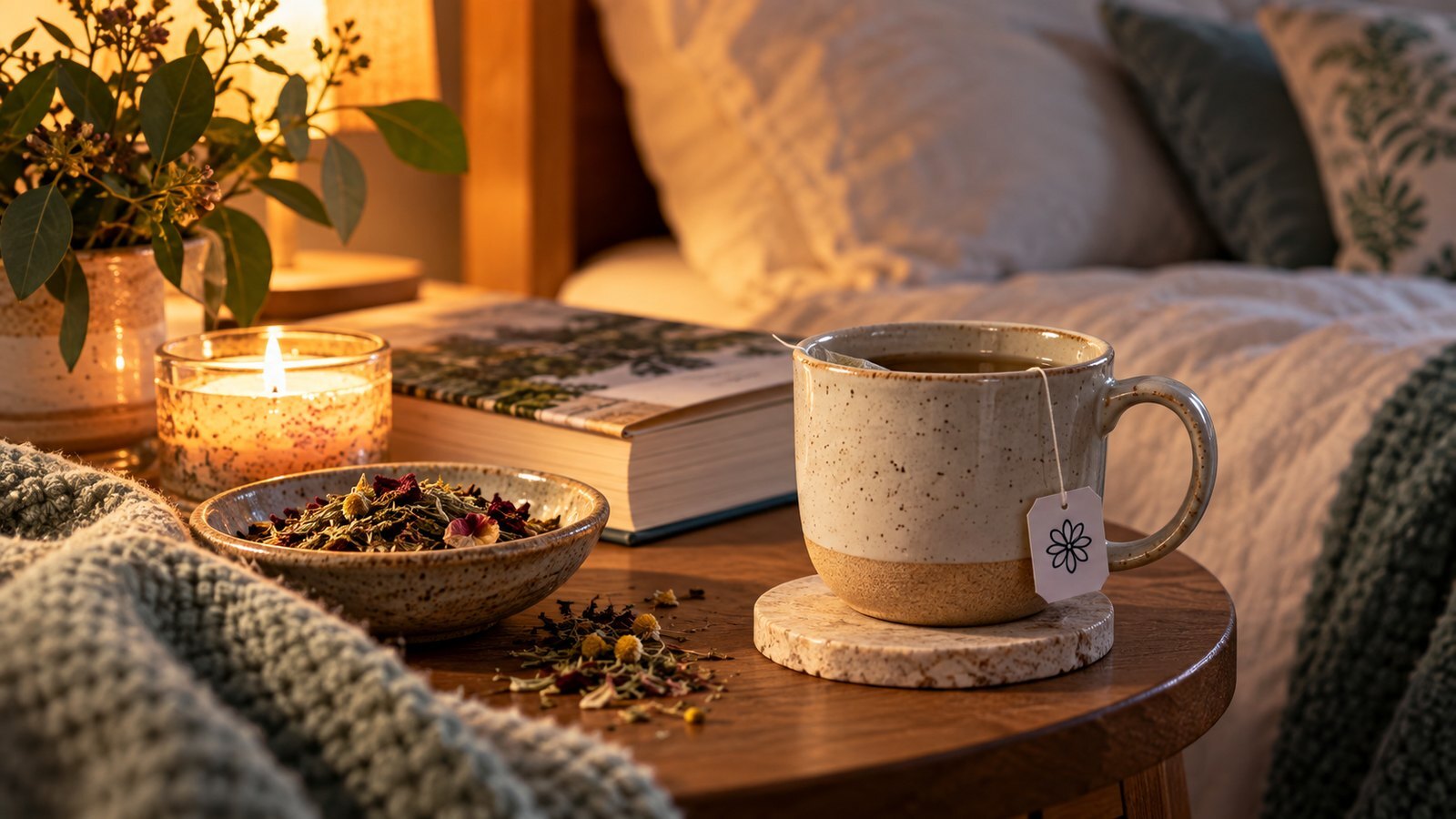
Herbal tea, a book, candlelight, and natural textures arranged beside a cozy bed in the evening
simplify your wellness routine
A Quick Sleep Check-In
Ask yourself:
How long does it usually take me to fall asleep?
Do you tend to fall asleep fairly easily, or does your mind become busiest the moment your head hits the pillow?
Do I stay asleep?
Waking briefly during the night can be normal.
But frequent waking, long periods awake, or consistently waking much earlier than planned may be worth paying attention to.
How do I feel when I wake up?
Do you usually feel reasonably restored?
Or do you wake feeling as though you barely slept at all?
What happens during the hour before bed?
Think about:
- screens
- work
- alcohol
- caffeine
- heavy meals
- exercise
- news or social media
- lighting
- household responsibilities
Sometimes the evening routine offers more clues than the bedtime itself.
Is my schedule consistent?
Going to sleep and waking around similar times can help create a more predictable rhythm.
Perfect consistency is not realistic for everyone, but large swings from day to day can make rest harder.
Look at the Whole Day, Not Just Bedtime
Sleep does not begin when you turn off the light.
What happens earlier in the day matters too.
Regular movement, daylight exposure, caffeine timing, alcohol, meal timing, stress, naps, and your overall schedule can all influence how ready you feel for sleep at night.
That is why improving sleep is often less about finding one “sleep product” and more about looking at the rhythm of the whole day.
regular movement during the day
Build a Repeatable Wind-Down
A good evening routine does not have to be elaborate.
The goal is simply to give your body and brain a few consistent signals that the active part of the day is ending.
That might include:
- dimming the lights
- putting the phone away
- taking a warm shower or bath
- making herbal tea
- stretching gently
- reading
- journaling
- using calming aromatherapy
- going to bed around the same time
Choose two or three things you can realistically repeat.
Consistency usually matters more than complexity.
Your Bedroom Matters Too
Sometimes the environment is doing more work against you than you realize.
A sleep-friendly bedroom is generally:
- cool
- dark
- quiet
- comfortable
- free from unnecessary distractions
A fan, blackout curtains, lighter bedding, white noise, or simply moving the phone away from the bed can make a noticeable difference in the routine.
What About Herbal Tea?
For many people, tea is less about “making you sleep” and more about creating a ritual around slowing down.
Traditional evening herbs may include:
- chamomile
- lemon balm
- passionflower
- lavender
- valerian
Each herb has its own safety considerations, and some can interact with medications or increase sedation.
So while “herbal” can sound gentle, it does not automatically mean a product is appropriate for everyone.
What About Hemp Products?
Some adults choose to include hemp-derived products in an evening routine.
That does not mean a hemp product should be described as a treatment for insomnia or as something guaranteed to improve sleep.
Individual response can vary based on:
- formulation
- cannabinoid amount
- timing
- medications
- alcohol use
- personal sensitivity
If you choose a hemp product, look for clear labeling, transparent sourcing, third-party testing, and realistic guidance.
how to evaluate a hemp product?
Keep the product mention brief and do not position the gummies as an insomnia treatment.
Sometimes the Answer Is Less, Not More
One of the easiest traps in wellness is assuming that every problem needs another supplement.
Sometimes the more useful experiment is:
- less caffeine late in the day
- less alcohol
- fewer screens at night
- an earlier bedtime
- a cooler room
- more daylight
- more movement
- fewer commitments packed into the evening
That is worth trying before building an increasingly complicated nighttime routine.
When Sleep Needs Professional Attention
Occasional poor sleep happens.
Persistent sleep problems deserve more attention.
Talk with an appropriate healthcare professional if sleep difficulty is ongoing, significantly affecting daytime life, or accompanied by issues such as:
- loud snoring
- gasping or choking during sleep
- severe daytime sleepiness
- persistent insomnia
- unusual nighttime behaviors
- significant mood changes
- symptoms that are new or worsening
Sleep disorders are common, and a wellness routine should not replace evaluation when something more may be going on.
A Simple Seven-Day Experiment
If you want to learn more about your own sleep, try tracking just a few things for one week:
- bedtime
- approximate time you fell asleep
- nighttime waking
- wake time
- caffeine timing
- alcohol
- movement
- screen use before bed
- how rested you felt the next morning
You are not looking for perfection.
You are looking for patterns.
Sometimes one week of paying attention tells you more than buying another product.
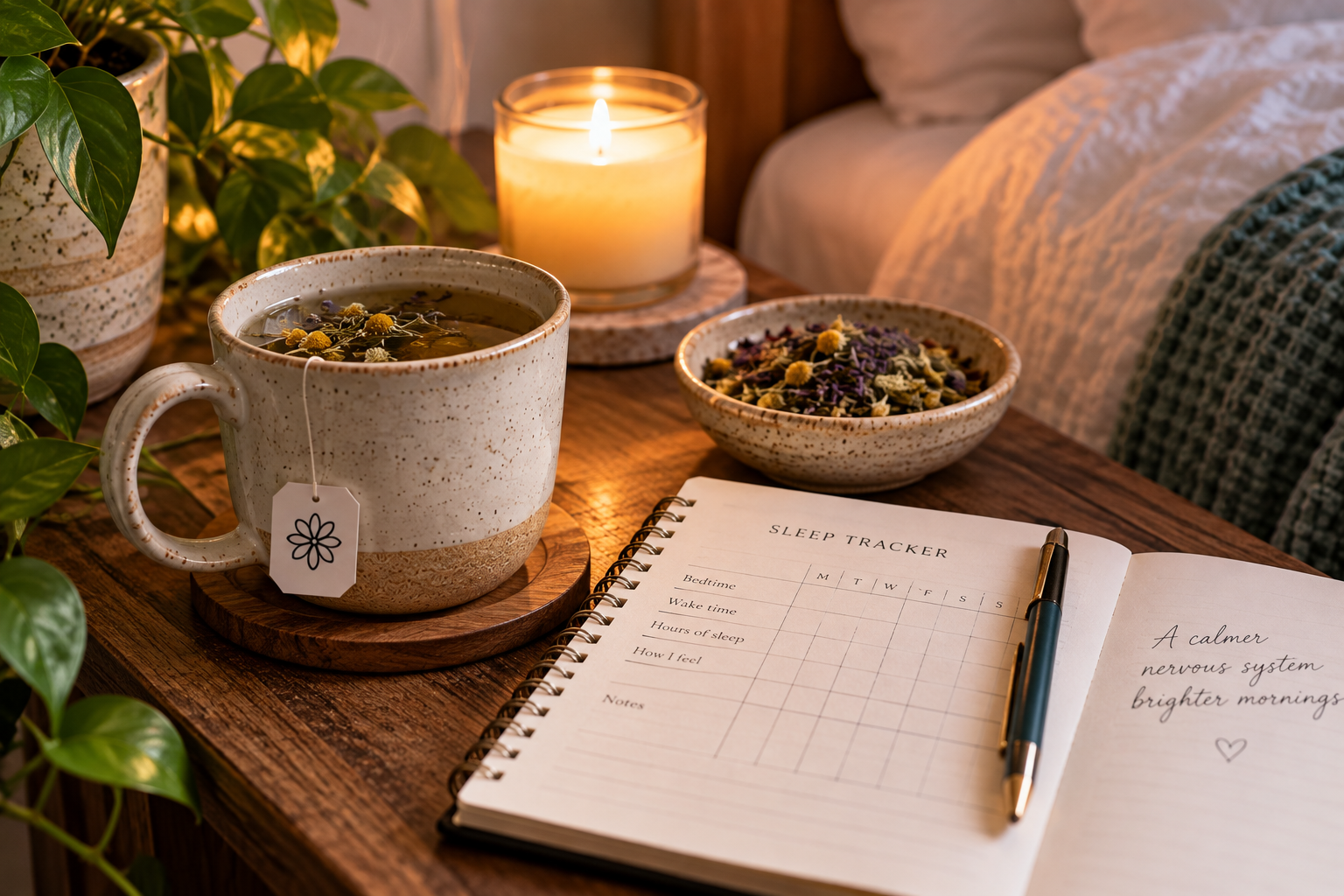
Sleep tracker journal and pen beside herbal tea, dried botanicals, and candlelight in a cozy bedroom
Final Thought
Sleep is foundational, but it is also personal.
What helps one person wind down may not work for someone else.
The best place to begin is not with a perfect nighttime routine.
It is with a question:
How am I actually sleeping?
Then listen closely to the answer.
At Urban Apothecary, we believe the most useful wellness routines are the ones that help you understand your own patterns and make small changes you can actually sustain.