

Menopause Wellness: Supporting Sleep, Stress & Daily Movement
Posted by Cheryl Cryer on Oct 15th 2024
Perimenopause and menopause can change the way your body feels, sleeps, recovers, responds to stress, and moves through everyday life.
For some people, those changes are subtle. For others, they can affect energy, mood, temperature regulation, sleep, body composition, and the way movement feels from one day to the next.
There is no single “right” way to move through this transition.
At Urban Apothecary, we think a practical place to begin is with three areas that influence so much of daily life:
- stress and nervous system support
- sleep and evening routines
- movement and recovery
The goal is not to fix everything at once.
It is to notice what has changed, understand what your body may be asking for, and build support around the parts of your routine that matter most.
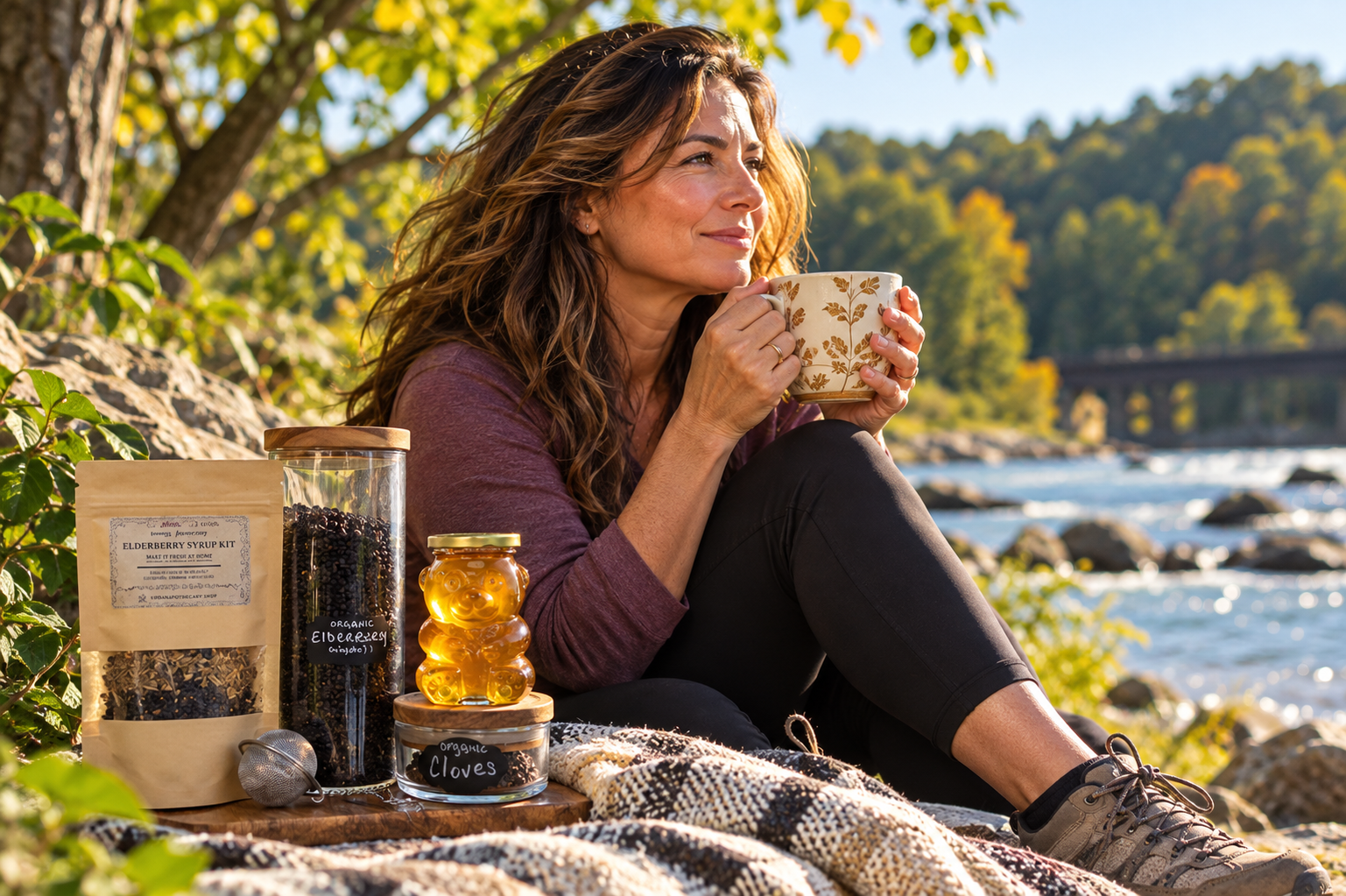
Start With a Check-In
Before adding new supplements or completely overhauling your routine, ask yourself a few questions:
- How am I sleeping?
- What feels harder than it used to?
- What is taking most of my energy?
- Does movement leave me feeling better or depleted?
- What helps me feel grounded?
- What habits have slipped away?
- Where could I use more ease?
That last question can be especially useful.
Menopause wellness does not have to mean creating a complicated protocol.
Sometimes it means adjusting the conditions around you so your body has more support.
1. Stress + Nervous System Support
Hormonal changes during perimenopause and menopause can affect how stress feels and how resilient we feel from day to day.
That does not mean every difficult day needs a supplement.
Often, the most helpful place to begin is with repeatable practices that help you slow down, create predictability, and make space for recovery.
Simple Stress-Supportive Practices
Make room for quieter transitions
Many people move directly from work, caregiving, errands, screens, and household responsibilities into the evening without much transition at all.
Try creating a small buffer between “doing” and “done.”
That could look like:
- a short walk
- changing into comfortable clothes
- making tea
- taking a shower
- stepping outside
- putting your phone away for 15 minutes
- sitting somewhere quiet before moving into the next part of your evening
These small cues can help make your day feel less abrupt.
Spend time outside
Fresh air, daylight, movement, and a change in environment can be simple ways to create space in a busy day.
This does not need to be a formal wellness practice.
A walk around the block, time in the garden, sitting near water, or a few minutes outside with your morning coffee all count.
Journaling or reflective writing
Sometimes stress feels heavier because everything is competing for attention at once.
Writing things down can be a useful way to separate what needs action from what simply needs acknowledgment.
Try asking:
What am I carrying right now?
and
What can wait?
Where Herbs May Fit
Some people choose herbal products as part of a broader stress-support routine.
One example is ashwagandha, an adaptogenic herb traditionally used in Ayurvedic medicine. Research has explored its potential role in stress and sleep, but results vary by preparation, dose, and population, and it is not appropriate for everyone.
Herbal products can also interact with medications or be unsuitable for certain health conditions, so they should not be treated as automatically safe simply because they are plant-based.
A note about St. John’s wort
The previous version of this article recommended St. John’s wort.
We are removing that recommendation.
St. John’s wort can interact with a wide range of medications, including antidepressants, birth control pills, blood thinners, certain heart medicines, seizure medications, cancer treatments, and others.
Because of that interaction profile, it should not be casually recommended as a general menopause wellness supplement.
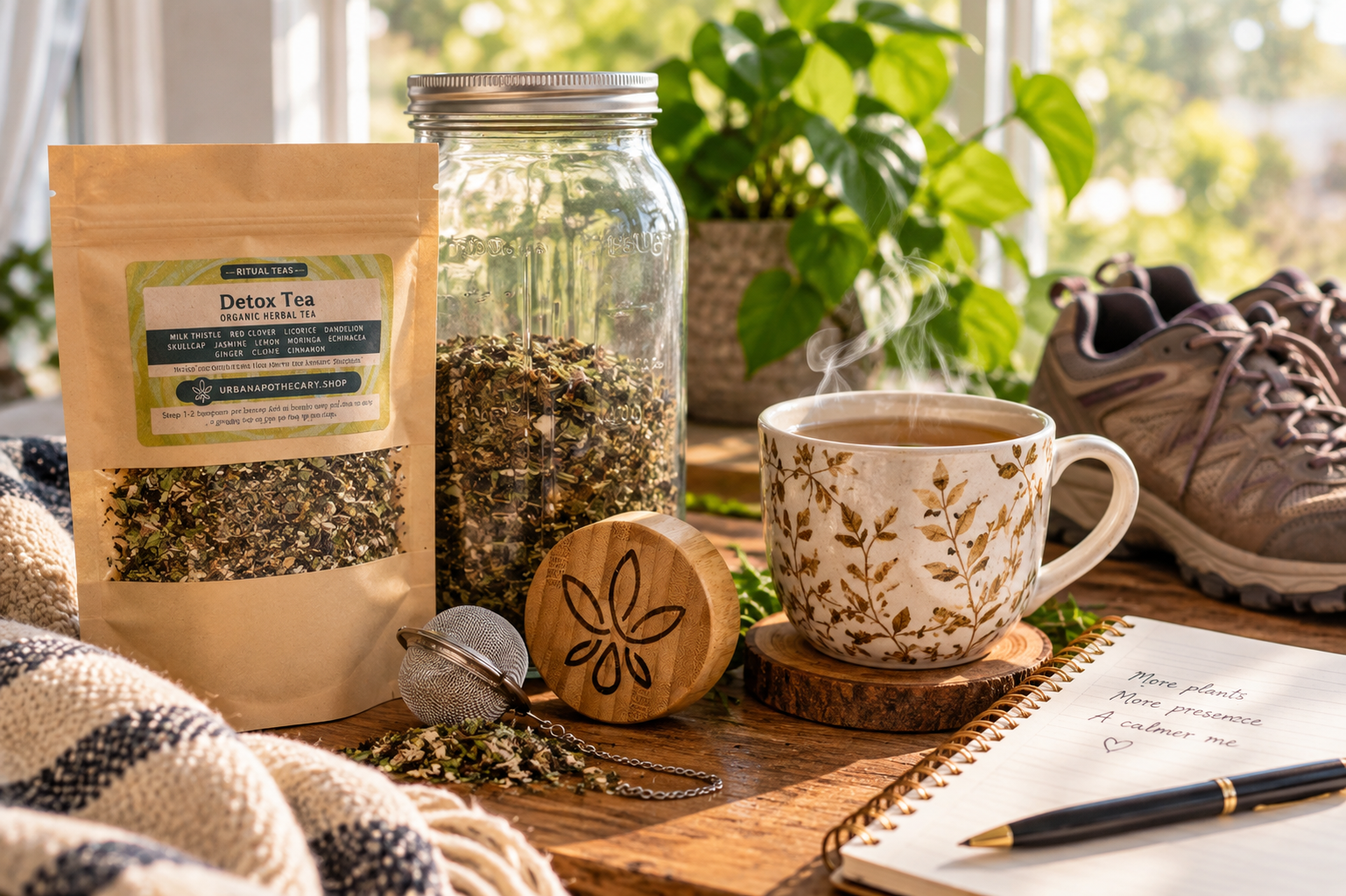
2. Sleep + Evening Routines
Sleep can change significantly during perimenopause and menopause.
Nighttime temperature changes, stress, shifting routines, and other physical changes can all affect how rested you feel.
Poor sleep can also spill into the next day through lower energy, reduced patience, difficulty concentrating, and feeling less resilient.
That is why sleep is often one of the most useful places to focus first.
Build a Repeatable Wind-Down Routine
A good evening routine does not need to be elaborate.
Try choosing two or three things that signal to your body that the active part of the day is ending.
For example:
- dim the lights
- reduce screen time
- take a warm shower or bath
- make herbal tea
- stretch gently
- read
- use a calming scent
- keep your bedtime reasonably consistent
The goal is not perfection.
It is repetition.
Make the Bedroom Work for You
A cool, dark, quiet room can make sleep feel easier for many people.
Simple adjustments might include:
- lighter bedding
- a fan
- blackout curtains
- white noise
- breathable sleepwear
- keeping electronics away from the bed
If nighttime temperature changes are waking you frequently, it may be worth discussing with a healthcare professional rather than simply trying to “push through.”
Herbal Tea as an Evening Ritual
Herbal tea can be a useful way to build a slower transition into the evening.
Chamomile is one of the most familiar examples and has a long history of use as a calming tea.
Other traditional evening herbs may include:
- lemon balm
- passionflower
- valerian
- lavender
The evidence and safety profile differ by herb, and some can interact with medications or increase sedation.
If you are taking prescription medication or using multiple supplements, check with your healthcare provider or pharmacist before adding something new.
A Note About Hemp + Sleep
Some adults include hemp-derived products in their evening routine.
That does not mean hemp products should be described as a treatment for insomnia or as guaranteed to improve sleep.
Individual response can vary significantly depending on formulation, amount, timing, medications, and personal sensitivity.
If you choose to use a hemp product, look for:
- clear cannabinoid amounts
- transparent sourcing
- third-party testing
- straightforward labeling
- responsible guidance
And if you take medications or have health concerns, talk with a qualified healthcare professional first.
3. Movement + Strength
Movement can become even more important during midlife.
That does not mean you need to train harder.
It means finding movement that supports strength, mobility, balance, cardiovascular health, and your ability to keep doing the things you enjoy.
Walking Still Counts
Walking is one of the simplest ways to keep movement in your day.
It can support cardiovascular health, mobility, time outdoors, and social connection without requiring special equipment or a complicated plan.
A morning walk, lunch break, evening loop around the neighborhood, or weekend hike all count.
Strength Training Matters
Maintaining muscle becomes increasingly important with age.
Resistance training can support strength, function, balance, and bone health.
That might include:
- body-weight exercises
- resistance bands
- light or moderate weights
- supervised strength classes
- functional movement work
If strength training is new to you, start gradually and focus on consistency rather than intensity.
Mobility + Flexibility
Yoga, Pilates, stretching, and mobility work can help maintain range of motion and body awareness.
They can also provide a useful counterbalance to long periods of sitting or repetitive movement.
Choose styles that feel supportive rather than punishing.
You should not have to “earn” rest through exercise.
Recovery Is Part of Movement
Recovery matters just as much as the workout itself.
Simple recovery rituals might include:
- hydration
- rest
- gentle stretching
- a warm bath
- massage
- topical body care
- getting enough sleep
- giving yourself an easier day when your body asks for it
At Urban Apothecary, this is where we tend to think in terms of body care rituals, not treatment claims.
A topical product can be part of a recovery routine without needing to promise pain relief or reduced inflammation.
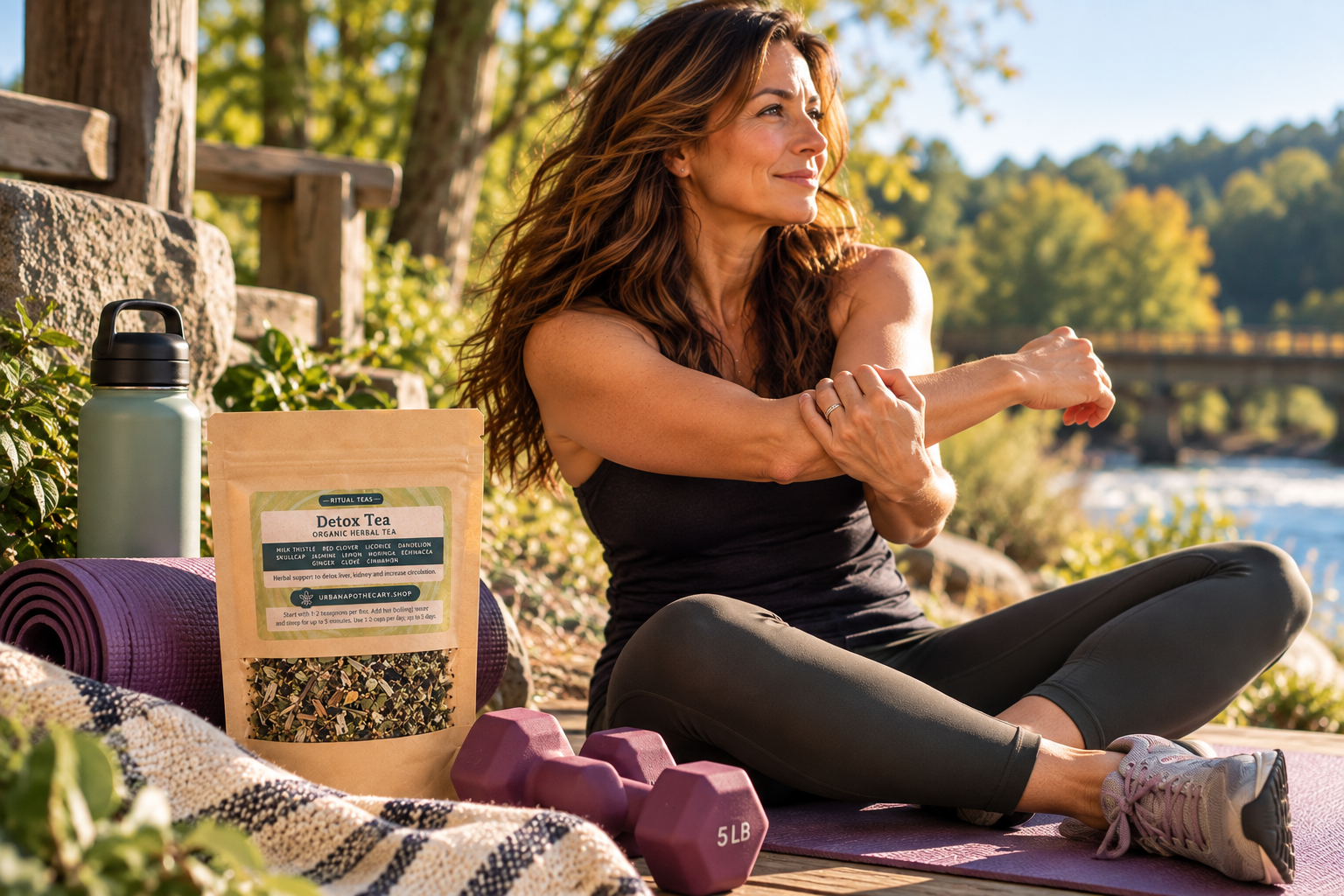
What About Menopause Supplements?
This is where things get more complicated.
A wide range of products are marketed for menopause, including:
- black cohosh
- red clover
- soy isoflavones
- evening primrose
- maca
- melatonin
- herbal blends
- adaptogens
But the research is mixed, and “natural” does not necessarily mean effective or risk-free.
The National Center for Complementary and Integrative Health notes that many herbs and dietary supplements marketed for menopause have not been clearly shown to relieve symptoms, and some may have side effects or interact with medications.
Black Cohosh
Black cohosh is one of the most commonly discussed herbs for menopause.
Some studies suggest certain black cohosh extracts may be helpful for overall menopause symptoms, but results are inconsistent.
Rare cases of liver injury have also been reported in people taking commercial black cohosh products, although it is not always clear whether black cohosh itself was the cause.
If you are considering black cohosh, especially if you have liver concerns, take medications, or have a history of hormone-sensitive conditions, talk with a healthcare professional first.
Soy + Phytoestrogens
Soy contains naturally occurring compounds called isoflavones, which are sometimes called phytoestrogens.
Research on soy and menopause symptoms has produced mixed results, and the effects appear to vary by product and individual.
Food-based soy and concentrated supplements are also not the same thing.
If you have a history of hormone-sensitive conditions or are considering concentrated phytoestrogen supplements, discuss them with your healthcare provider.
When to Talk With a Healthcare Professional
Lifestyle and herbal wellness can be helpful parts of a broader routine, but they are not substitutes for medical care.
Consider talking with a qualified healthcare professional if you are experiencing:
- significant or persistent sleep disruption
- symptoms that are interfering with work or daily life
- unusually heavy or unexpected bleeding
- persistent mood changes
- new or severe physical symptoms
- questions about hormone therapy
- uncertainty about medications, herbs, or supplements
There are evidence-based medical options available for menopause symptoms, and your care plan should reflect your health history, preferences, and individual needs.
Build a Routine That Can Change With You
One of the most useful things to remember about menopause is that your routine does not need to stay the same forever.
What worked for you at 35 may not feel right at 45 or 55.
That is not failure.
It is information.
You may need:
- more sleep
- different movement
- more recovery
- stronger boundaries
- fewer commitments
- different nutrition
- more time outside
- more support
Wellness works best when it responds to the life you are actually living.
Not the routine you think you should have.
A Practical Menopause Wellness Check-In
If you are not sure where to begin, start with this:
Sleep:
What would make tonight 10% easier?
Stress:
Where could I create more space?
Movement:
What kind of movement would feel supportive this week?
Recovery:
What is my body asking for after activity?
Support:
Is there something I should be discussing with a healthcare professional instead of trying to solve alone?
Small adjustments can be meaningful when they are consistent.
Final Thought
Menopause is not something you need to “win” or optimize perfectly.
It is a transition.
And transitions often ask us to listen differently.
At Urban Apothecary, our approach is simple: practical wellness, thoughtful education, and support for routines that fit real life.
If you are exploring herbs, teas, body care, or other wellness tools and want help understanding what might fit your routine, stop into the shop or book time with an herbalist.
We are always happy to help you ask better questions.