
Desert Plants & Herbal Traditions: An Arizona Journey | Urban Apothecary
Posted by Cheryl Cryer on Apr 10th 2025
Desert Roots: Plant Medicine, Partnership & a Journey to Apache Junction
Some trips stay with you because of what you see.
Others stay with you because they remind you of something you already knew but had gotten too busy to notice.
Our family trip to Apache Junction, Arizona, was a little of both.
We went for time away, sunshine, hiking and a change of scenery — but the trip also gave us the chance to visit Siphon Draw Apothecary, one of the small businesses we’ve connected with through Urban Apothecary.
There was something really special about seeing another apothecary rooted so deeply in its own landscape.
Illinois prairie and Arizona desert could not look much more different, yet the ideas underneath the work felt very familiar:
plants, place, community, curiosity and a respect for the natural world.
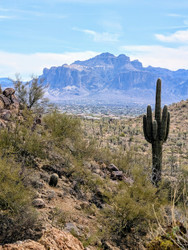
Desert landscape near Apache Junction and the Superstition Mountains in Arizona
When a Business Relationship Becomes a Real Relationship
One of the things I enjoy most about building Urban Apothecary is meeting other small-business owners who care deeply about what they make and the communities they serve.
Siphon Draw Apothecary sits along the historic Apache Trail, surrounded by a landscape completely different from ours in Batavia.
Visiting in person gave us a chance to talk shop, share ideas, see their work in its own environment and spend time with people we had previously known primarily through business.
Those relationships matter.
Wholesale, to me, has never been only about getting products onto another shelf. The best partnerships grow from shared values, trust and an appreciation for the work happening on both sides.
The Desert Makes You Pay Attention
The Superstition Mountains are not a subtle landscape.
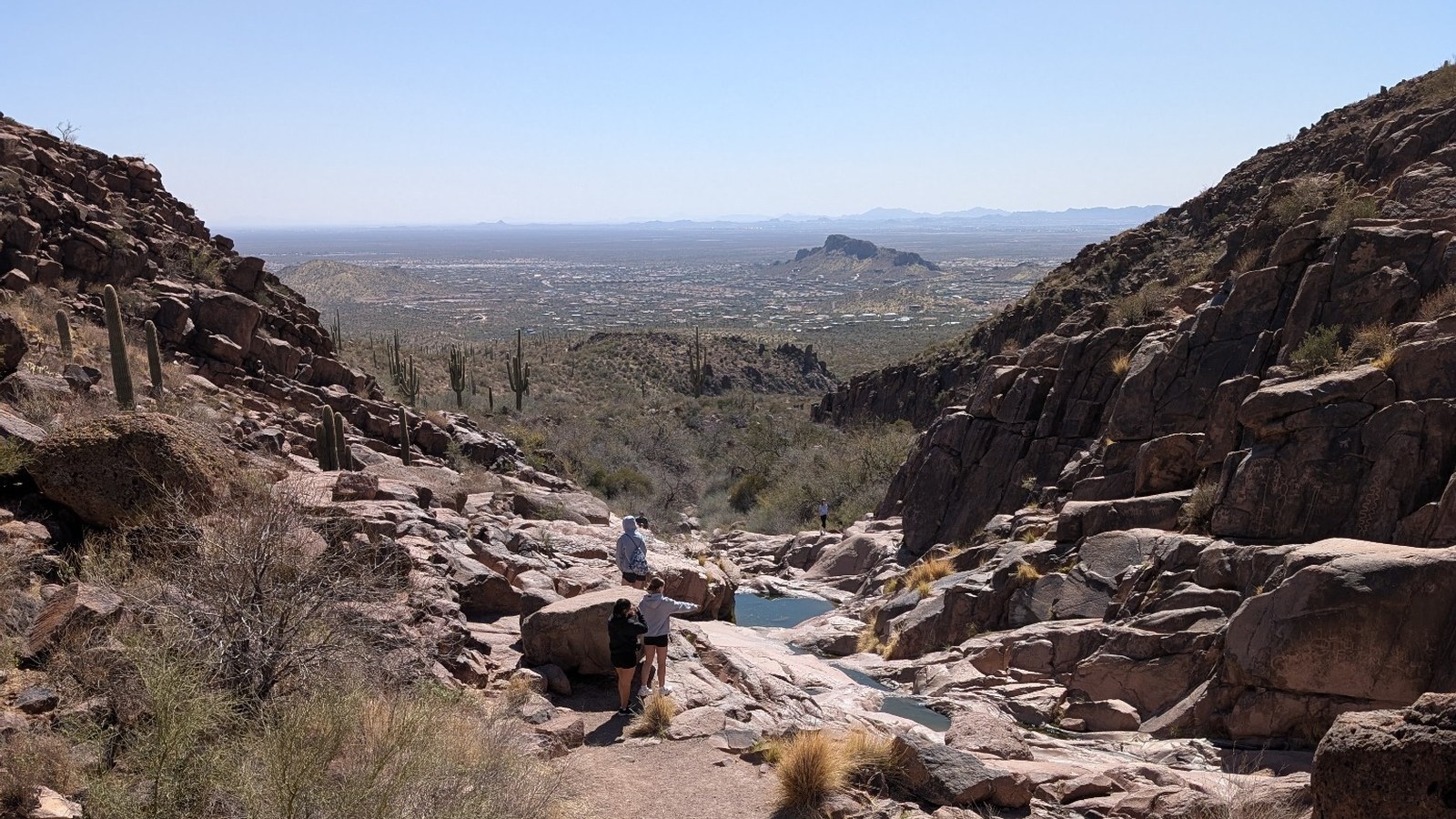
Rock. Sun. Wind. Distance. Plants growing in places where it seems almost impossible that anything could thrive.
We hiked, spent time near the water at Canyon Lake, explored, and slowed down enough to actually notice what was around us.
That is one of my favorite things about being outside.
You do not have to turn nature into another wellness assignment.
Sometimes being somewhere beautiful is enough.
Walk.
Look around.
Move your body.
Notice what is growing.
Get curious.
Desert Plants Are Built Differently
Plants growing in an arid environment have developed remarkable ways to conserve water, tolerate heat and survive difficult conditions.
That makes them fascinating from both a botanical and an herbal perspective.
A few stood out on this trip.
Jojoba
Jojoba is native to the Sonoran Desert and produces a liquid wax widely used in skin and hair care.
Its stability, texture and ability to condition the skin make it a familiar ingredient in cosmetic formulations — including the kind of plant oils we regularly work with in herbal body care.
Creosote
Creosote bush is one of the plants most strongly associated with the desert Southwest.
If you have ever smelled the desert after rain, you may already know its distinctive scent.
Creosote also has a long history of traditional Indigenous use, but traditional use does not automatically mean a plant is appropriate for casual home use or internal consumption.
For me, the more interesting takeaway was simply seeing a plant so completely adapted to its environment.
Agave
Agave is another striking example of desert adaptation.
Its thick leaves store water, allowing the plant to survive in dry environments where rainfall can be scarce.
Humans have used various agave species for food, fiber and beverages for centuries.
Seeing plants like these where they actually grow provides a very different perspective than reading their names on an ingredient label.
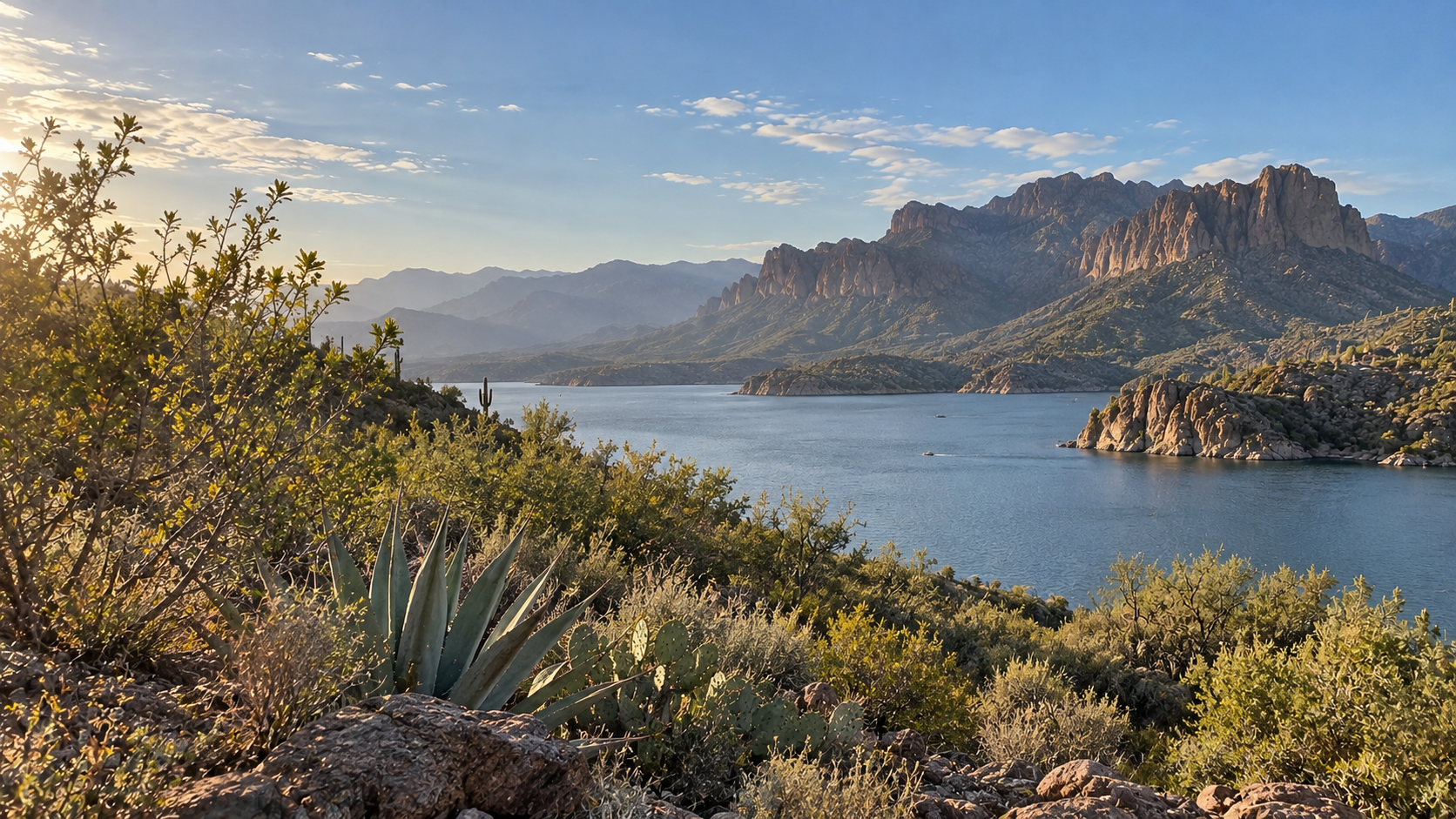
Native desert plants growing near the Superstition Mountains in Arizona
Traditional Plant Knowledge Deserves Context
Traveling through a landscape with deep Indigenous history is also a reminder that plant knowledge did not begin with the modern wellness industry.
Plants of the Southwest have long histories of use among Indigenous communities for food, fiber, tools, ceremony and traditional wellness practices.
That history deserves respect.
Rather than reducing a plant to a list of modern “benefits,” we can be curious about:
- where it grows
- how people historically used it
- what modern research does and does not tell us
- whether harvesting is sustainable
- whether a plant is appropriate or safe for modern use
That is a much richer way of learning about herbalism.
Plant Medicine Is Also About Place
One of the things this trip reinforced for me is that herbalism is not simply a collection of ingredients.
Plants come from somewhere.
They grow in ecosystems.
They have histories.
They are connected to communities and traditions.
And sometimes the best way to deepen your understanding of a plant is simply to see it growing in its own environment.
That perspective comes back with me when I return to the shop.
Explore the botanicals we work with at Urban Apothecary
Wellness Doesn't Always Come in a Bottle
Some of my favorite moments of the trip had nothing to do with products.
Hiking.
Paddling.
Being outside.
Long stretches without the normal noise of work.
Time with family.
Those things reminded me of something we talk about often at Urban Apothecary:
Wellness can include herbs and products.
But it can also be movement, nature, connection, curiosity and rest.
Sometimes what you need is not another thing to add to your routine.
Sometimes you need to get outside of it for a while.
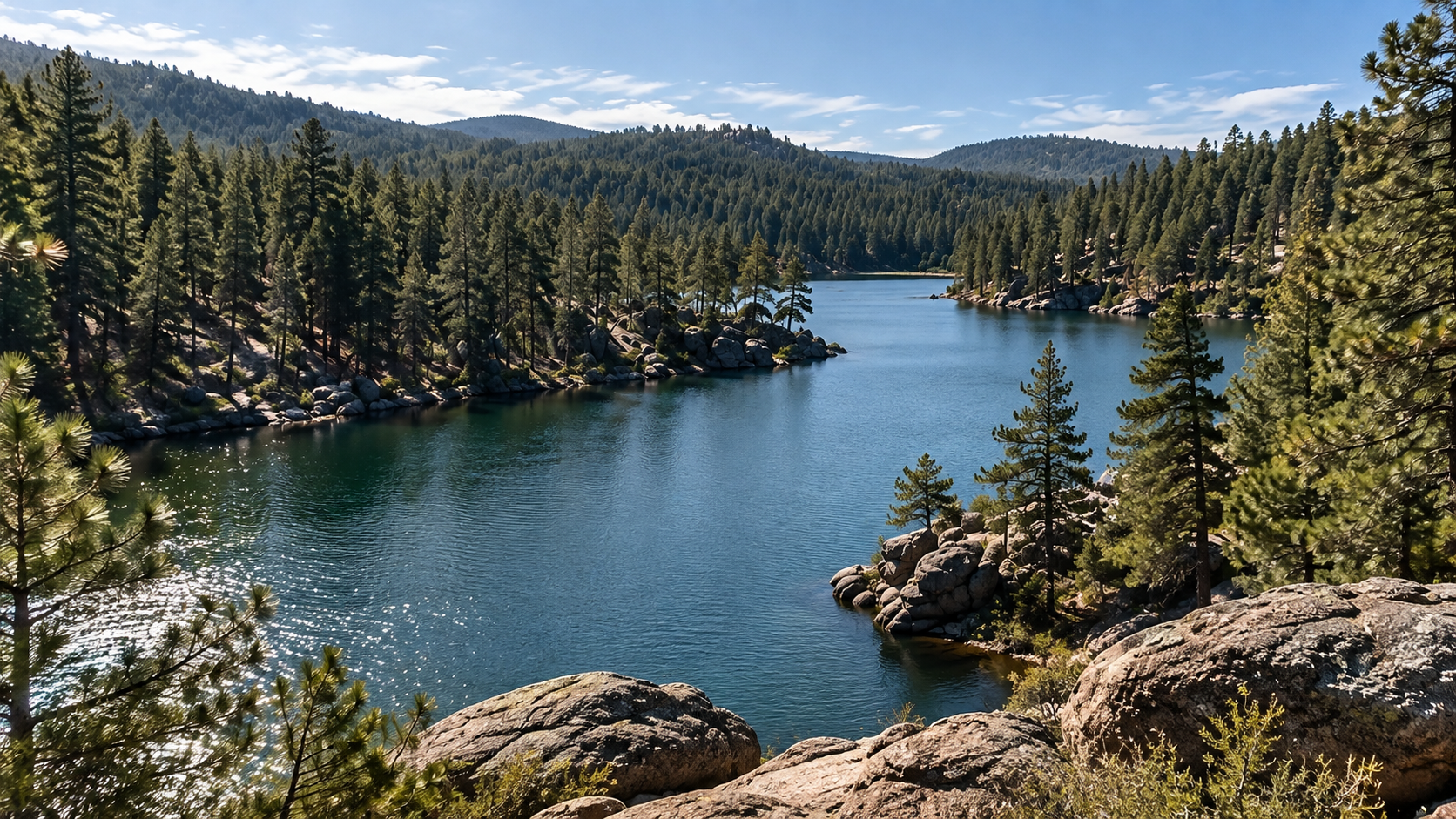
Outdoor exploration near Canyon Lake and the Superstition Mountains
Bringing a Little of the Desert Home
I came back to Illinois with a renewed appreciation for how much place shapes herbal traditions.
The plants of the desert are different from the plants of the Midwest.
The landscapes are different.
The communities are different.
But the curiosity is the same.
What grows here?
How has it been used?
What can we learn from it?
How do we use plants thoughtfully rather than turning them into another wellness trend?
Those are questions worth bringing home.
Final Thought
Our trip to Apache Junction started as time away and became a reminder of why I was drawn to this work in the first place.
Plants make you curious.
Nature makes you pay attention.
And relationships with other people doing thoughtful work make this small-business journey a lot richer.
From the Arizona desert back to downtown Batavia, that connection between plants, people and place continues to be one of my favorite parts of Urban Apothecary.