
CBD Hemp Flower: Cannabinoids, Terpenes & Quality
Mar 2nd 2020
CBD Hemp Flower Explained: Cannabinoids, Terpenes & What to Look For
CBD oil, gummies, and topical products may be familiar, but what about CBD hemp flower?
Hemp flower is one of the least processed forms of the cannabis plant, offering a closer look at the naturally occurring cannabinoids, terpenes, and other plant compounds that make hemp so interesting.
Whether you're curious about the difference between hemp flower and CBD oil or simply want to understand what makes one flower different from another, a little plant knowledge goes a long way.
What Is CBD Hemp Flower?
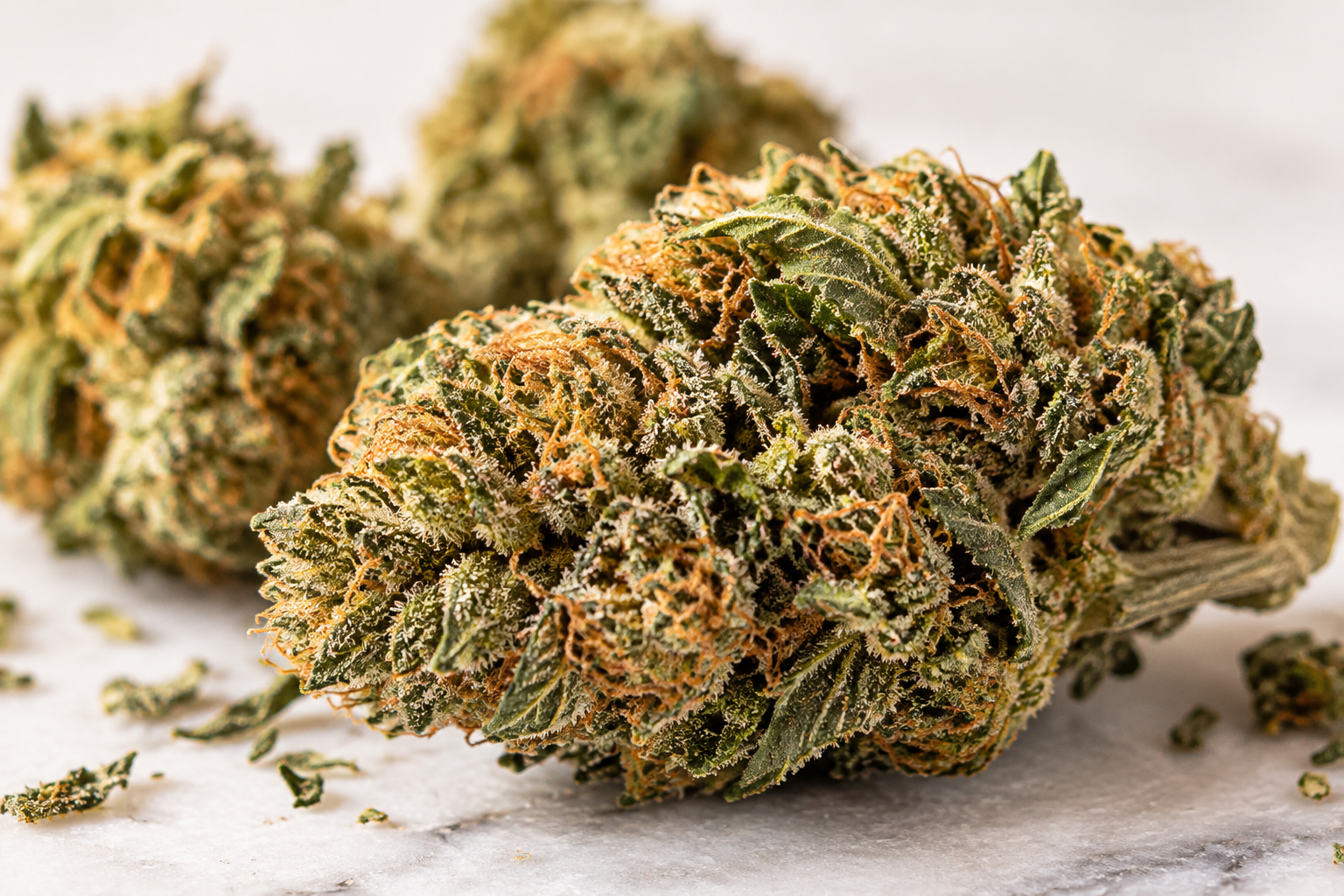
CBD hemp flower comes from varieties of the cannabis plant cultivated for their cannabinoid profiles, particularly cannabidiol (CBD).
After harvesting, the flowers are typically dried, cured, trimmed, and packaged. Unlike CBD oil, which involves extraction and formulation, hemp flower retains much of its original plant structure.
Hemp flower naturally contains a variety of compounds, including:
-
CBD (cannabidiol): A cannabinoid that doesn't produce the intoxicating high typically associated with THC.
-
THC (tetrahydrocannabinol): A cannabinoid associated with intoxicating effects. Hemp flower may contain THC, and actual amounts vary.
-
CBG (cannabigerol): Another naturally occurring cannabinoid found in hemp.
-
Terpenes: Aromatic compounds that contribute to a flower's scent and character.
-
Flavonoids: Plant compounds associated with pigmentation and other botanical characteristics.
The precise composition varies by cultivar, growing conditions, harvest timing, and processing.
Understanding THC and other cannabinoids
Understanding Terpenes and the Entourage Effect
One of the most interesting things about hemp flower is its natural chemistry.
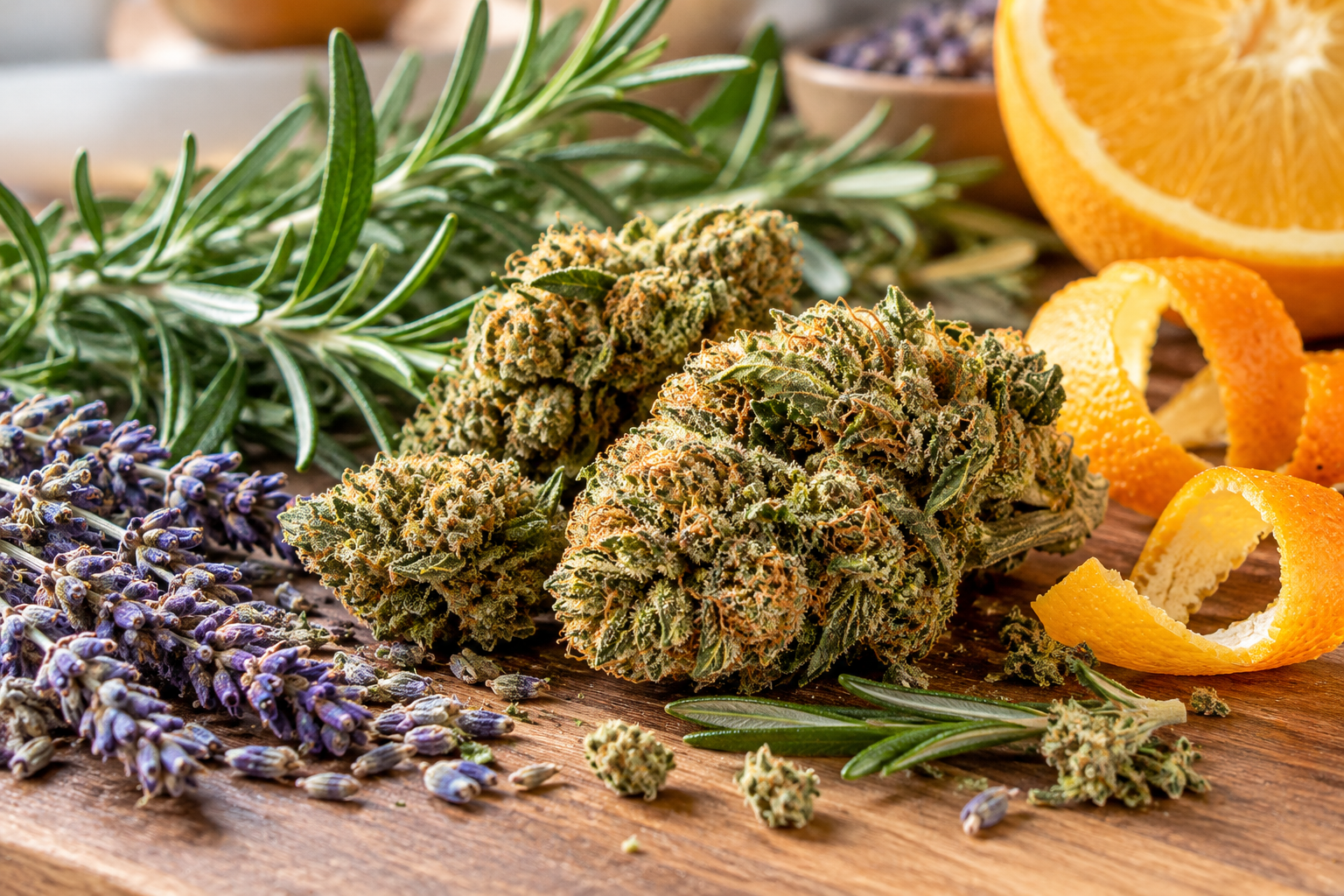
Terpenes are responsible for many of the aromas we associate with plants. They're found in everything from lavender and pine trees to citrus peels and rosemary.
Common terpenes found in hemp include:
-
Myrcene: Often described as earthy or herbal.
-
Limonene: Known for its bright, citrus-like aroma.
-
Pinene: Associated with fresh, pine-like scents.
-
Linalool: Recognizable for its floral notes.
Terpenes contribute to the distinct aromas of different hemp cultivars, but scent alone cannot reliably predict how a product will affect someone.
You may also hear the term entourage effect. This describes the hypothesis that cannabinoids, terpenes, and other plant compounds may interact in ways that influence their overall effects.
It's an interesting area of research, although many claims about specific cannabinoid and terpene combinations remain unproven.
Full-spectrum hemp and the entourage effect
How Is Hemp Flower Different From CBD Oil?
Although both originate from hemp, flower and CBD oil are very different products.
Hemp flower retains the original dried flower structure, with its naturally occurring cannabinoids and aromatic compounds.
CBD oil is made by extracting cannabinoids from plant material and formulating them into a carrier oil, often MCT oil.
Oils generally offer more straightforward concentration labeling and measured servings, while flower composition and cannabinoid exposure depend on several factors, including the method of use.
Neither format is automatically better. Understanding their differences helps consumers make more informed decisions.
Explore our CBD oil collection
What Should You Look for in Quality Hemp Flower?
Not all hemp flower is grown, handled, or tested to the same standards.
A few things worth considering include:
1. Responsible cultivation
Look for information about where and how the hemp was grown. Growing practices, environmental conditions, and harvest methods can influence overall quality.
2. Proper drying and storage
Well-handled hemp flower should be properly dried, cured, and stored to help preserve its characteristics and reduce the risk of moisture-related deterioration.
3. Third-party laboratory testing
A Certificate of Analysis (COA) should identify cannabinoid content, including THC, and ideally include appropriate screening for contaminants such as pesticides, heavy metals, and microbial contamination.
4. Clear product information
Look for the cultivar name, cannabinoid concentrations, package information, and accessible test results.
Keep in mind that CBD flower is not necessarily THC-free or non-intoxicating in every circumstance. Hemp regulations also vary by jurisdiction and continue to change.
A Note About Hemp Flower and Safety
Different methods of using hemp flower present different considerations.
Smoking any plant material exposes the lungs to combustion products and respiratory irritants. Preparing hemp flower in homemade foods or oils can also create uncertainty about cannabinoid concentration and exposure.
CBD itself may cause side effects and interact with medications. The FDA continues to identify important unanswered questions about the safety of nonprescription CBD products.
If you're exploring hemp-derived products, understanding the risks, reviewing laboratory information, and consulting a qualified healthcare professional are important steps.
Final Thought
Hemp flower offers a fascinating look at the complexity of the cannabis plant, from its naturally occurring cannabinoids to the aromatic terpenes that give different cultivars their character.
At Urban Apothecary, we believe understanding what goes into a product is just as important as the product itself.
Whether you're exploring hemp flower, comparing CBD oils, or learning more about plant-based wellness, quality, transparency, and informed choices should always come first.
Curious to learn more? Explore our hemp products online or connect with us at Urban Apothecary in downtown Batavia.